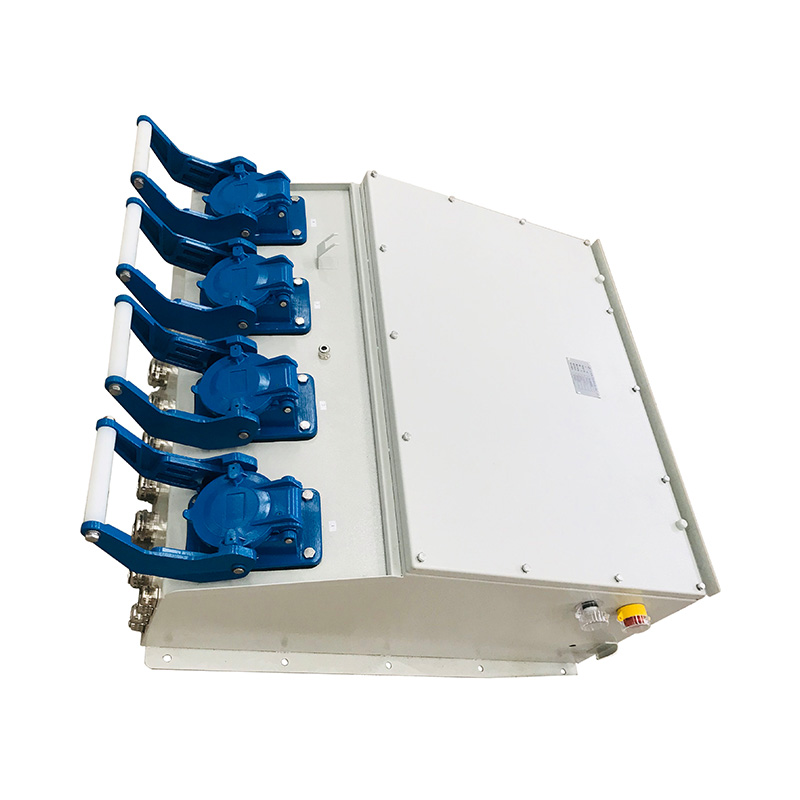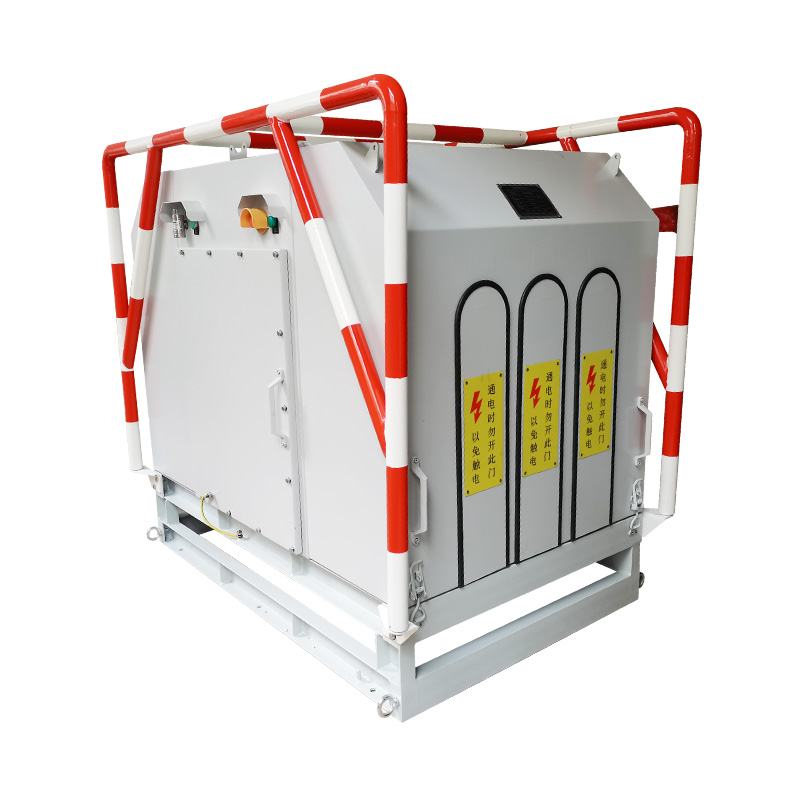



Kérdezzen meg öt embert a dokkolón, mit jelent a kábelgördülés, és valószínűleg öt választ fog kapni. Leírjuk, hogy egy parti tápkábelt egy műszak végén vissza kell tekerni egy dobra. A másik a görgős ágyakat jelenti, amelyek egy nehéz kábelt visznek át a beton rakparton, így az soha nem húzódik a földön. A harmadik az ügyes nyolcas tekercsre gondol, amely megakadályozza, hogy a rugalmas vezeték megtörjön a tárolás során.
Mindháromnak igaza van, és mindhárom számít. We have spent more than twenty years building cable reels, kábelhúzó csörlőes and socket boxes in Jiangyin, and most of the cable damage we hear about traces back to one of those three moments being handled badly. Az alábbiakban bemutatjuk, hogyan magyarázzuk el a kábelhengerlést a munkát tervező ügyfeleknek, abban a sorrendben, ahogy a kábel általában minden lépésnek megfelel.
Mit jelent a kábelhengerelés a gyakorlatban?
The word "rolling" gets used loosely, so it helps to separate the three activities before talking about equipment. Each one has its own habits, its own tools and its own typical failures.
Dobra gurulás
Ez az orsózás: a kábelt rétegesen feltekerik egy orsóra, dobra vagy csörlő orsójára, így ellenőrizve újra tárolható és kifizethető. A tekercselési munka minősége inkább a feszültségtől és a flottaszögtől függ, mint a sebességtől. A cable laid with slack in the lower layers will cut down into itself once the upper layers press on it, and the next payout may come off in a tangle. Keeping the cable entering the drum at a shallow angle, roughly within a couple of degrees of perpendicular to the flange, spreads the turns evenly and avoids pile-ups at one edge.
Gördülés görgőkön
Hosszú húzásoknál a kábel egyáltalán nem forog. Egy sor kábelgörgőn halad keresztül, amelyek kiemelik a koptató felületektől, és csökkentik a mozgatásához szükséges erőt. This is rolling in the literal sense, and it is the cheapest protection available on a site, provided the rollers are spaced properly and stay upright under load.
Kézzel feltekerni
A rövid, rugalmas vezetékeket, az áthidaló kábeleket és a vezérlővégeket továbbra is kézzel tekercseljük fel, és itt halmozódnak fel a csavarodási sérülések. A cable that has been forced into a loop against its natural lay will keep that memory for years, and the twist travels into the inner conductors and shielding.
Kézzel gurítás: A felül/alatt módszer
Anyone who works with audio, broadcast or marine cable regularly will already know the over/under technique. It is worth teaching to every new person on the quay, because it costs nothing and prevents a surprising amount of scrap.
- Tartsa az egyik kezében a tekercset úgy, hogy a tenyér felfelé nézzen, a másik kezével pedig engedje át a kábelt, hogy érezze a fektetés irányát.
- Lay the first loop over the top of the coil, following the natural twist of the cable.
- A második hurokhoz húzza alá a kábelt, és hagyja, hogy az ellenkező irányba forogjon, így a csavarás nem halmozódik fel.
- Alternate over and under until the coil is complete, then tie it off with a soft strap rather than a thin cord that can bite into the jacket.
If the cable keeps fighting you, you are almost certainly twisting it. Állj meg, hagyd szabadon lógni egy pillanatra, és kezdd újra. The same principle applies when a length has to be stored flat: a loose figure-of-eight lets each turn relax in its own direction, which is why it is standard practice on boat decks and in temporary shore power hook-ups.
Cable Rollers: Guiding the Cable, Not Carrying It
Kábelgörgők are often treated as an afterthought, yet they do two jobs at once: they protect the jacket from abrasion and they cut the pulling load that has to be overcome by the winch or by the crew. A few practical points we repeat to installation teams:
- Helyezze el a görgőket egyenes pályákon olyan közeli időközönként, hogy a kábel soha ne ereszkedjen le a talajhoz közöttük.
- Use corner rollers or a roller quadrant at every change of direction, so the cable bends against a rolling surface instead of a fixed edge.
- Ellenőrizze, hogy a görgőkeret nem tud-e billenni az oldalsó terhelés alkalmazásakor; a fallen roller under tension is worse than no roller at all.
- Inspect sheaves and bearings before a long pull, since a seized roller turns into a brake and a chafing point.
- Tartsa a kábelt a görgő közepén, ahelyett, hogy a szélén haladna, ahol a legtöbb kabát pontozás kezdődik.
Ezek egyike sem drága. It is simply the difference between a pull that finishes in an afternoon and one that ends with a section of cable being cut out and replaced.
When Rolling Becomes Mechanical: Motor-Driven Cable Reels
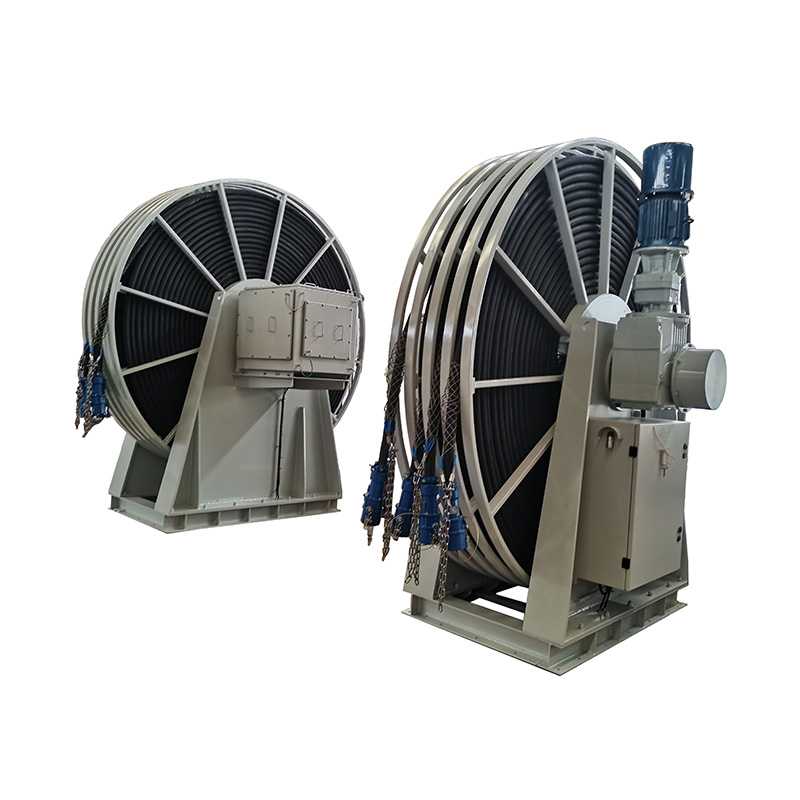
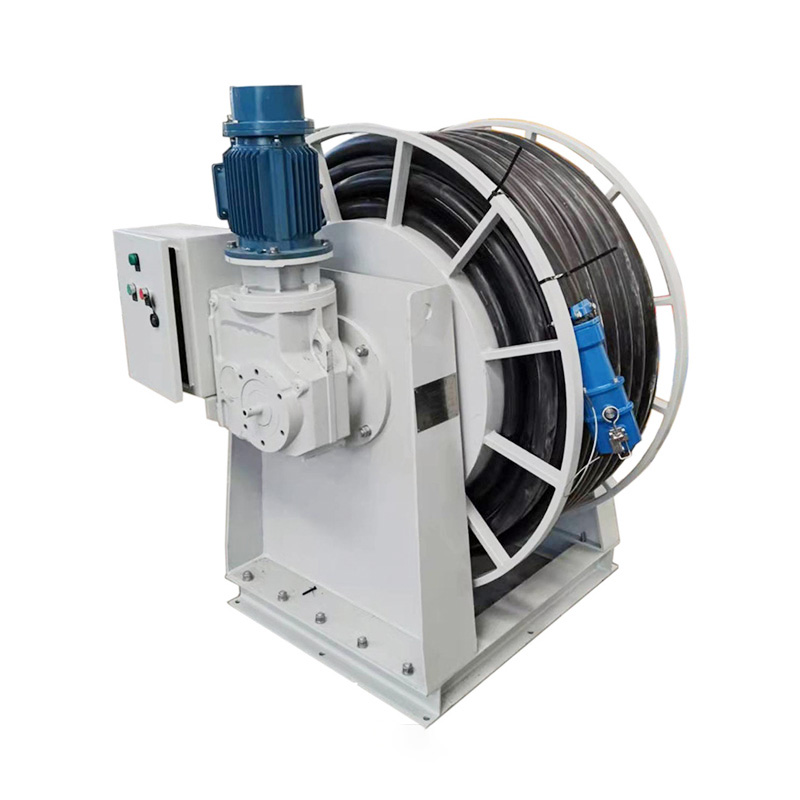
Once a machine rolls the cable for you, the question shifts from technique to control. A motor-driven cable reel has to hold tension on the cable while the equipment it serves moves, take up slack when it returns, and never let the cable go loose enough to be run over or tight enough to be stretched. That balance is set by the drive and by the slip ring assembly that carries power through the rotating joint.
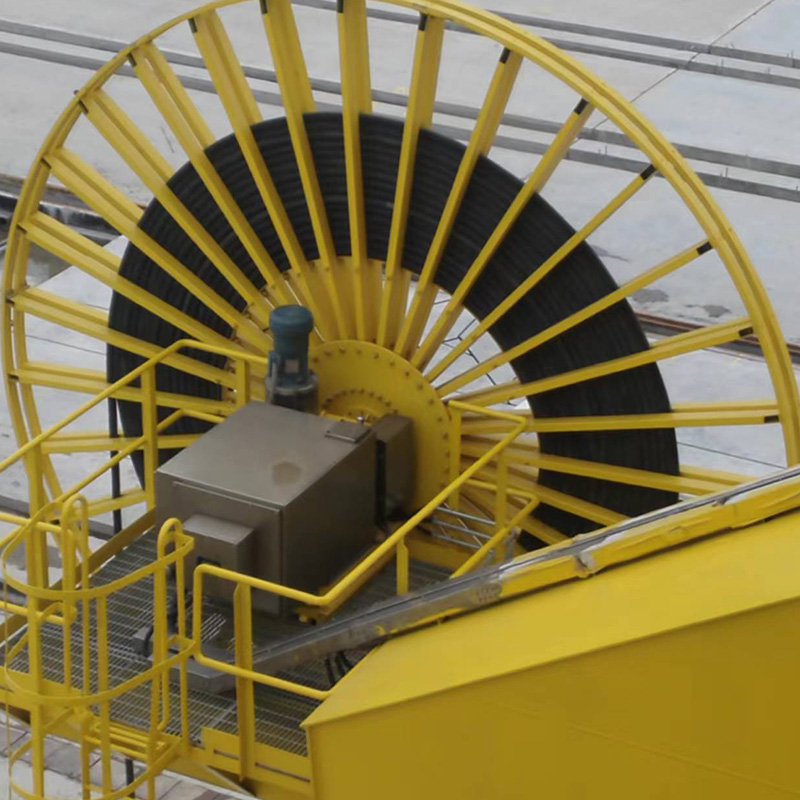 Motoros hajtású kábeltekercsek feszültségszabályozással Motor-driven cable reel with adjustable speed and direction, plus tension control options to keep cable from slack or overstretch. Termék megtekintése →
Our own experience covers the full spread of drive types, including flat spiral spring, gravity weight, hydraulic friction, hysteresis clutch, variable torque and variable frequency control. The right choice depends less on fashion than on duty cycle: a reel that is adjusted once a day on a crane has very different needs from one that follows a self-propelled shore power unit along a quay in wind and rain. Getting the torque curve wrong shows up first as uneven spooling, then as a flattened jacket on the outer layer.
Kábelgördülés a rakparton és a fedélzeten
A kikötőkben mindhárom fajta gördülés találkozik. A cruise ship berthing for a few hours needs heavy shore power cable paid out, guided across the quay and connected, then recovered and spooled again before departure. Doing that with people and ropes is slow and exposes the cable to exactly the dragging and twisting we have been describing.
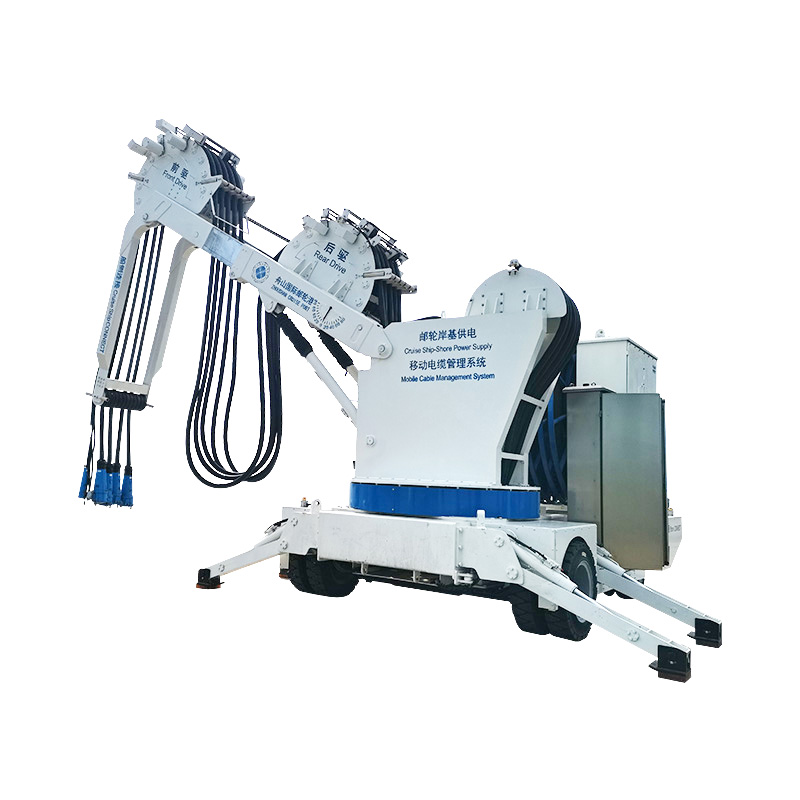
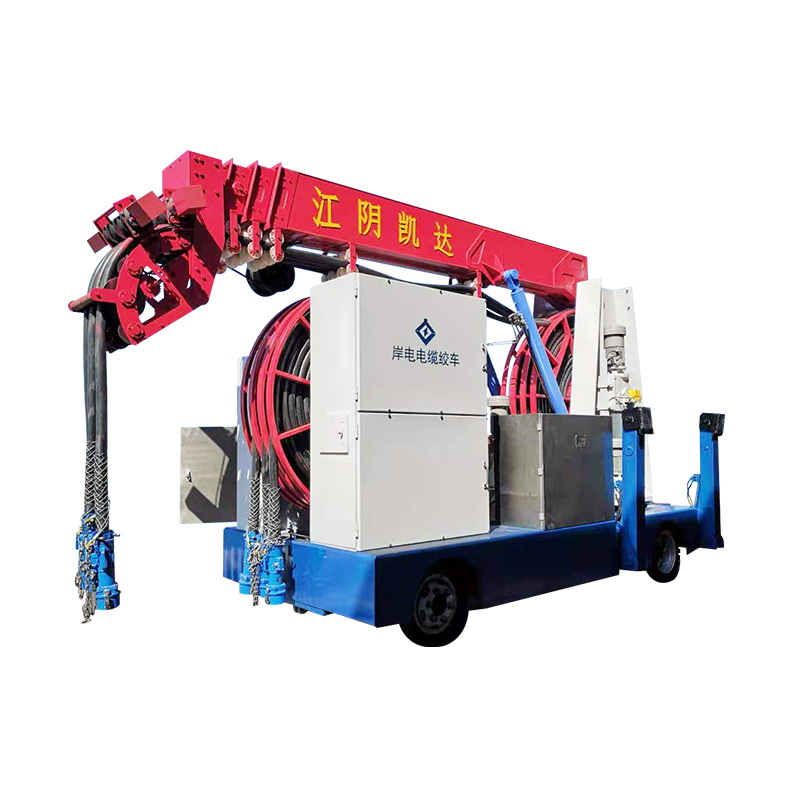
A shore power cable pulling winch takes over the traction, with guide rollers keeping the cable clear of kerbs and bollards and a reel or drum handling the take-up. Az önjáró egységek a kikötőhely mentén mozognak a hajó csatlakozási pontjával, míg a rögzített berendezések a megfelelő méretű cable pulling winch positioned to keep the fleet angle within reason.
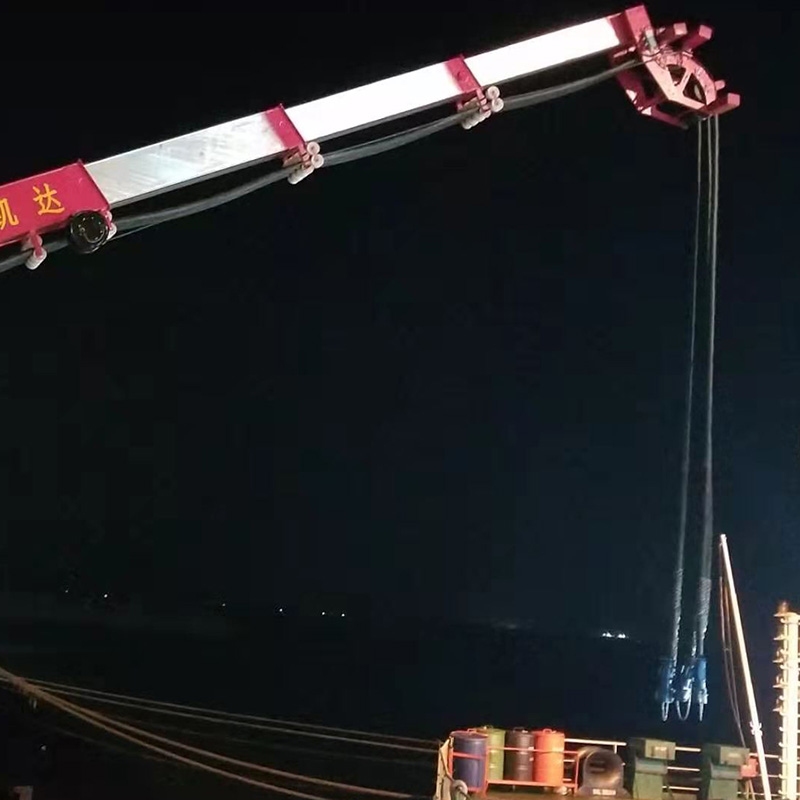 Önjáró parti tápkábel húzó csörlő Self-driving winch for pulling, laying and reclaiming shore power cables at ports, with clamping traction and controlled movement for precise positioning. Termék megtekintése →
On board, space is tighter and the consequences of a jammed cable are more serious, which is why marine installations tend to favour compact winches with predictable tension control and clear inspection access.
 Tengeri kábelhúzó csörlő a parti teljesítményhez Shipboard winch for storing, collecting and releasing cable, with plug and slip ring for shore power connection in harsh marine conditions. Termék megtekintése →
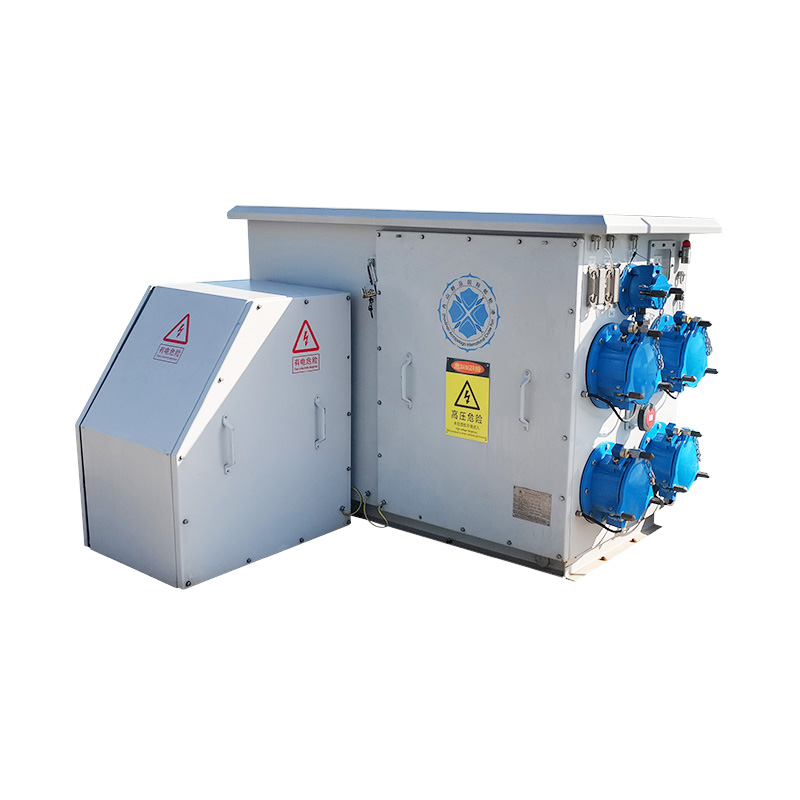
Whichever arrangement is used, the cable end still has to land in a socket box that matches the vessel's voltage and interface. That is a separate decision from the rolling itself, but the two are planned together in every project we take on.
A fő hengerlési módszerek összehasonlítása
| módszer | Tipikus használat | Fő előny | Mit kell nézni |
|---|---|---|---|
| Kézi tekercselés, felül/alatt | Rövid vezetékek, jumperek, átmeneti tárolás | Megakadályozza a vezetők csavarodását és az árnyékolást | Lassú és fárasztó hosszú, nehéz kábelen |
| Cable rollers | Hosszú húzások rakpartok, árkok és tálcák mentén | Csökkenti a kopást és a húzóerőt | Távolság, igazítás és keretstabilitás |
| Motoros orsó vagy csörlő | Fix berendezések, daruk, parti áram, bányászat | Szabályozott feszültség és megismételhető tekercselés | Nyomaték beállítás és csúszógyűrű állapota |
Kis ellenőrzések, amelyek megakadályozzák a nagy kábelkárosodást
Whatever method you use, a handful of habits will catch most problems before they become expensive. These are the ones we suggest to operators during handover.
- Run a hand along the jacket after recovery and feel for flat spots, shiny patches or soft areas that suggest internal damage.
- Check that the cable sits inside the drum flanges rather than riding over them, which is a common cause of crushed turns.
- Confirm the slip ring and brushes are clean and dry before a shift, since intermittent contact often looks like a cable fault.
- A feltekercselt kábelt a talajtól távol, raklapon vagy állványon tárolja, kellően letakarva ahhoz, hogy a víz ne kerüljön a végeibe.
- Record which drum a cable came from, so a suspect length can be traced rather than guessed at.
If you want a deeper look at the winding side of this, our notes on preventing cable damage during wrapping on the drum menjen a rétegenkénti részletekbe.
Cable rolling rarely gets the attention that motors, drives and connectors receive, yet it decides how long a cable survives and how quickly a berth can be turned around. Ha szárazföldi áramellátást, tengeri csörlőcsomagot vagy orsót tervez mobil felszereléshez, mondja el nekünk a terhelhetőséget, a kábel méretét és a környezetet, és mi segítünk kitalálni, hogy az orsó, csörlő és görgők melyik kombinációja tartja egyenesen a kábelt hónapok helyett évekig.